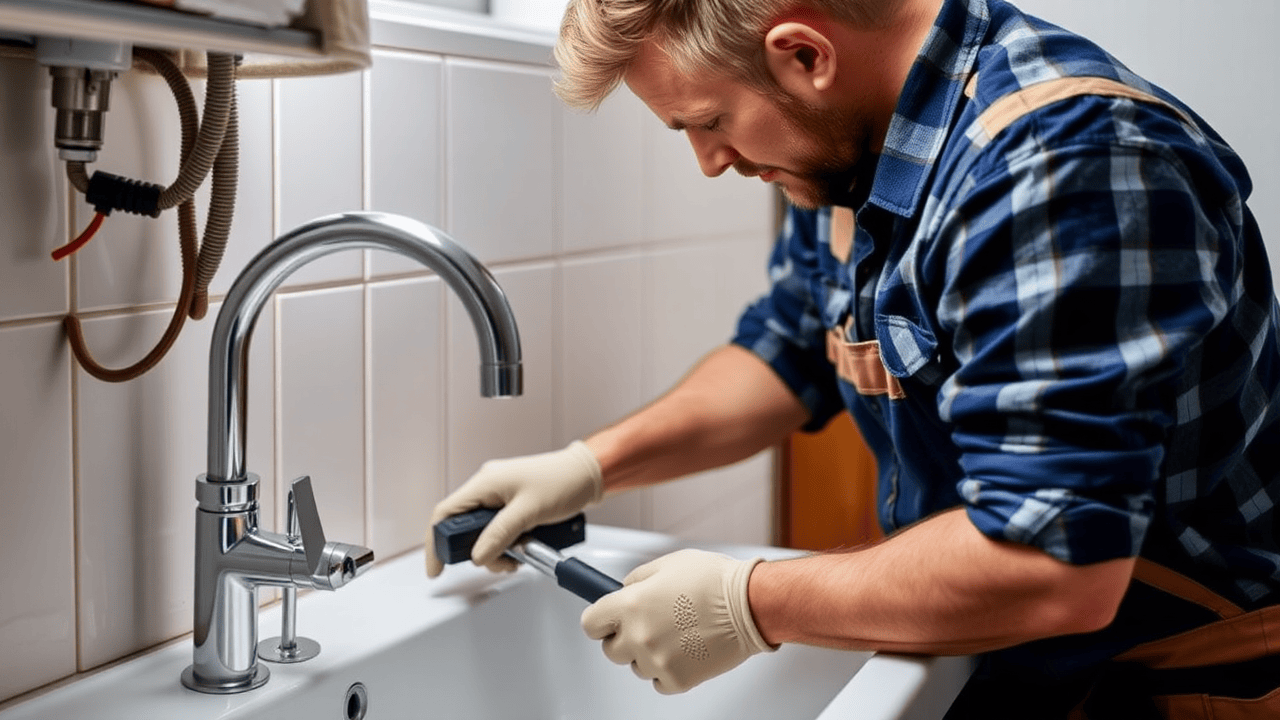
Cost Considerations for Sink Installation
When considering the costs associated with a new sink installation, it's essential to account for various factors. These include the type and style of the sink, the complexity of the installation, and any additional plumbing work that may be required. A basic drop-in sink will typically have lower costs compared to a more intricate undermount design. Homeowners should also factor in potential expenses such as permits or inspections, which can vary by location.
For those weighing their options between DIY projects and hiring a professional, it's important to compare the costs closely. While DIY may seem like a budget-friendly choice, it does come with risks, especially if plumbing skills are limited. Professional services for sink installation and repair can guarantee a quality job and often come with a warranty for peace of mind. Ultimately, understanding these financial aspects can help individuals make an informed decision about their sink installation needs.
Comparing DIY vs. Professional Installation Costs
When weighing the costs of DIY versus professional installation for your new sink, consider the potential expenses involved in each approach. DIY projects may appear more budget-friendly at first, especially when you factor in the cost of materials only. However, hidden costs such as tool rentals or equipment purchases can quickly add up. Mistakes made during the installation process could necessitate costly repairs, and the hours spent troubleshooting may also reflect an economic consideration.
In contrast, hiring a professional can initially seem more expensive due to labor fees. Yet, professionals often have the expertise to complete sink installation and repair efficiently, reducing the risk of errors. A qualified plumber can provide a warranty for their work, potentially saving you money in the long run. Evaluating these aspects can help you determine the most economical choice based on your specific circumstances and skill level.
Preparing Your Space for a New Sink
Before starting any sink installation and repair, it is essential to prepare the space properly. Begin by clearing the area underneath the existing sink. Remove any stored items, cleaning supplies, or personal belongings. This ensures that you have ample room to work and access plumbing connections without obstruction. If the project involves replacing a sink, turn off the water supply and drain any remaining water from the pipes to avoid leaks.
Next, check the surrounding cabinetry and walls for any damage that might interfere with the installation. Look for signs of moisture or mold, which could necessitate repairs before proceeding. Measure the area to confirm that the new sink fits the designated space. Proper measurements help prevent complications during installation, ensuring the new fixture complements the overall design of your kitchen or bathroom.
Steps to Ensure a Smooth Installation Process
Proper preparation can significantly enhance the efficiency of sink installation and repair. Make sure to gather all necessary tools and materials before starting the project. Having items such as wrenches, plumbing tape, and seals handy will prevent delays. Additionally, turn off the water supply and drain any existing fixtures to avoid unnecessary mess. Clear the area around the sink to create ample working space.
Taking the time to carefully measure the dimensions of your new sink can also minimize complications during installation. Verify that the plumbing and cabinetry accommodate the new fixture’s specifications. If you are replacing an old sink, examine existing connections to determine if they require upgrades or modifications. Ensuring compatibility between the sink and plumbing system lays a solid foundation for a successful installation.
The Installation Process Overview
Installing a new sink typically begins with gathering the necessary tools and materials. This includes a wrench, screwdrivers, plumber's tape, and the sink itself. Before starting, it is essential to ensure that the water supply is turned off. Preparing the work area by clearing out cabinets and protecting surfaces is also crucial to avoid any mess or damage during the installation process.
Once the area is ready, professionals or DIYers can begin removing the old sink. Sink installation and repair require attention to detail, especially when connecting plumbing and ensuring proper sealing to prevent leaks. After the new sink is positioned, securing it firmly is the next step. Testing the connections and checking for leaks concludes the installation, ensuring everything operates smoothly and efficiently.
Key Steps in Installing a Sink
Installing a sink requires careful attention to detail and a clear understanding of the necessary steps. Begin by shutting off the water supply to prevent any accidents during the process. Remove the old sink if applicable, taking care to disconnect the plumbing—this may involve unscrewing various fittings and removing any caulking. Thoroughly clean the area where the new sink will be installed to ensure a secure fit.
Next, place the new sink into the designated space and check for alignment. Secure it properly, connecting the plumbing lines and ensuring the drain is correctly installed. Pay close attention to the sealing process, as proper caulking can prevent leaks. Completing these steps effectively contributes to the success of sink installation and repair, making future maintenance much easier.
FAQS
Can I install a new sink myself?
Yes, you can install a new sink yourself if you have the right tools and some basic plumbing knowledge. However, it's important to consider the complexity of the installation and your comfort level with DIY projects.
What are the signs that I need a plumber for sink installation?
You may need a plumber if you encounter issues such as complicated plumbing configurations, old or corroded pipes, or if you're not confident in your ability to complete the installation safely and correctly.
How much does it typically cost to hire a plumber for sink installation?
The cost of hiring a plumber for sink installation can vary widely, but it generally ranges from $150 to $500, depending on the complexity of the installation and your location.
What tools do I need for a DIY sink installation?
Common tools needed for a DIY sink installation include a bucket, adjustable wrench, basin wrench, screwdriver, plumber’s putty, and tape measure.
Are there any permits required for installing a new sink?
Permits may be required for sink installation, especially if it involves significant plumbing work. It's best to check with your local building authority to determine if a permit is necessary.