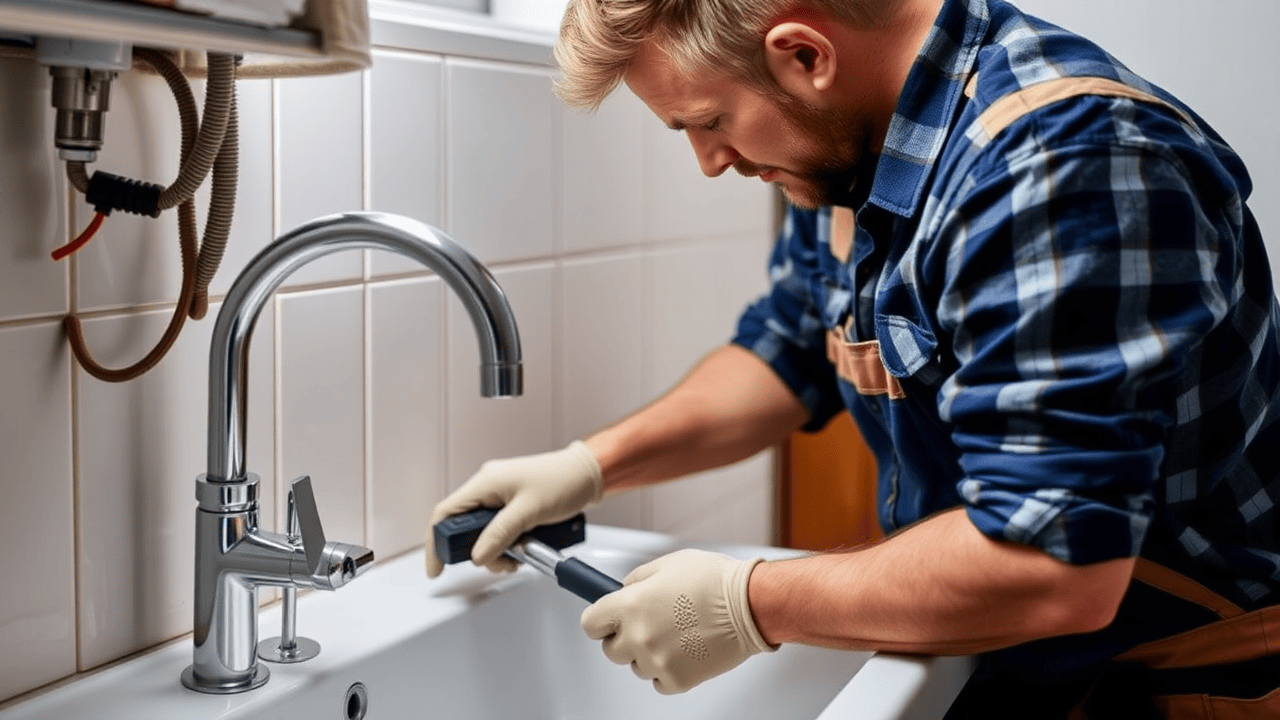
At Aqua-Tech Backflow Services, we specialize in professional sink installation and repair, ensuring that your kitchen and bathroom sinks function flawlessly. Our skilled technicians are equipped to handle all types of sinks, from traditional styles to modern designs, guaranteeing a perfect fit and seamless integration into your space. Whether you're looking to upgrade an existing sink or need prompt repairs for leaks and clogs, we use high-quality materials and industry-leading techniques to deliver durable solutions. With our commitment to excellence and customer satisfaction, you can trust Aqua-Tech to enhance the efficiency and convenience of your plumbing fixtures, leaving you with a reliable and stylish sink that meets your needs.
Choosing the Right Sink Material
When selecting a sink material, it is essential to consider both practicality and visual appeal. Stainless steel is a popular choice due to its durability and resistance to stains and rust. Copper and cast iron offer unique aesthetics, with copper developing an attractive patina over time and cast iron providing a classic, timeless look. Composite materials, such as quartz or acrylic, also present a stylish option while offering high resistance to chips and scratches.
Your lifestyle and the overall design of your kitchen or bathroom should influence your decision. Families with children may prioritize materials that withstand wear and tear, while those seeking a modern aesthetic might lean toward sleek stainless steel or solid surface sinks. The right material not only enhances the space but also fits comfortably within daily usage, ensuring both beauty and functionality meld seamlessly.
Comparing Durability and Aesthetics
When selecting the right sink for your space, it's important to consider how well the material withstands wear and tear. Stainless steel offers superior durability, resisting dents and scratches, while porcelain can chip if not handled carefully. Granite or composite sinks provide a stylish appearance but may require more maintenance to keep them looking great.
Aesthetically, the choice of sink material can significantly impact the overall design of your kitchen or bathroom. Materials like copper and cast iron add a vintage charm, whereas modern designs often lean towards sleek stainless steel or minimalist ceramic. The right combination of durability and aesthetics helps create a functional yet visually appealing area.
Professional vs. DIY Sink Installation
When considering sink installation, one of the first decisions homeowners face is whether to tackle the project themselves or hire professionals. A DIY approach may seem appealing due to potential cost savings and the satisfaction of completing a personal project. However, it requires a strong understanding of plumbing systems, tools, and the necessary steps to ensure a correct installation. Mistakes can lead to leaks and water damage, which may ultimately outweigh any initial savings associated with doing it yourself.
On the other hand, enlisting a professional plumber brings expertise and efficiency to the installation process. Professionals understand local plumbing codes and regulations, which can help avoid compliance issues. They also have the necessary tools and experience to handle unexpected complications during installation. The initial investment may be higher, but the peace of mind that comes from knowing the job has been done correctly is invaluable.
Weighing the Pros and Cons
When considering whether to tackle sink installation as a DIY project or hire a professional, several factors come into play. A major advantage of DIY installation is the potential cost savings. Homeowners can save on labor fees while gaining valuable skills. However, the process can be time-consuming and might lead to complications if plumbing and installation details are overlooked. A lack of experience can result in mistakes, potentially leading to leaks or requiring costly repairs down the line.
On the other hand, enlisting the help of a professional ensures that the sink is installed correctly and efficiently. Professionals bring expertise and experience, which can result in a quicker and more reliable installation. This reduces the risk of errors that could arise during a DIY project. The downside often includes higher initial costs. Homeowners must weigh these considerations carefully to determine the best approach for their specific situation.
Plumbing Codes and Regulations for Sink Installation
When installing a sink, it is crucial to understand and comply with local plumbing codes and regulations. These rules are put in place to ensure safety, promote proper drainage, and prevent sanitation issues. Factors such as the type of sink, location, and the materials used can influence the specific codes that apply. Adhering to these regulations helps to guarantee that installations meet safety standards and function effectively over time.
Compliance not only protects the integrity of your plumbing system but also serves to safeguard your property from potential damage caused by improper installations. Before beginning a project, checking with your local building department for the appropriate codes can save time and resources in the long run. Understanding the necessary permits and inspections will keep your installation aligned with legal requirements, ultimately ensuring peace of mind throughout the process.
Ensuring Compliance for Safety
When installing a sink, adherence to local plumbing codes and regulations is crucial for safety and functionality. These codes dictate specific requirements for materials, installation practices, and drainage systems. Familiarizing yourself with these guidelines can help prevent potential hazards, such as leaks, clogs, or water damage. Proper installation ensures that your sink operates efficiently while reducing risks associated with improperly installed fixtures.
It is advisable to consult with local building authorities or experienced plumbing professionals before commencing any project. They can provide valuable insights into current regulations and required permits. Prioritizing compliance not only fosters a safe environment but also enhances the longevity and performance of your plumbing systems. Adhering to standards protects your investment and contributes to overall home safety.
FAQS
What are the most common sink materials used in installation?
The most common sink materials include stainless steel, porcelain, composite, cast iron, and glass. Each material has its own durability, aesthetic appeal, and maintenance requirements.
Can I install a sink myself, or should I hire a professional?
While some homeowners choose to install sinks themselves as a DIY project, hiring a professional is recommended for complex installations or if you are unfamiliar with plumbing work, as it ensures proper installation and compliance with plumbing codes.
What factors should I consider when choosing a sink for my kitchen or bathroom?
When choosing a sink, consider factors such as the material, size, style, mounting type (drop-in, undermount, etc.), and how it fits with your overall kitchen or bathroom design.
Are there specific plumbing codes I need to follow for sink installation?
Yes, plumbing codes vary by location, but generally, they cover aspects such as sink size, drainage requirements, and venting. It’s important to check with your local building department to ensure compliance with all regulations.
How can I best maintain my sink to prevent repairs?
Regular maintenance includes cleaning the sink with appropriate cleaners for the material, avoiding harsh chemicals, checking for leaks, and ensuring proper drainage by clearing any clogs promptly.