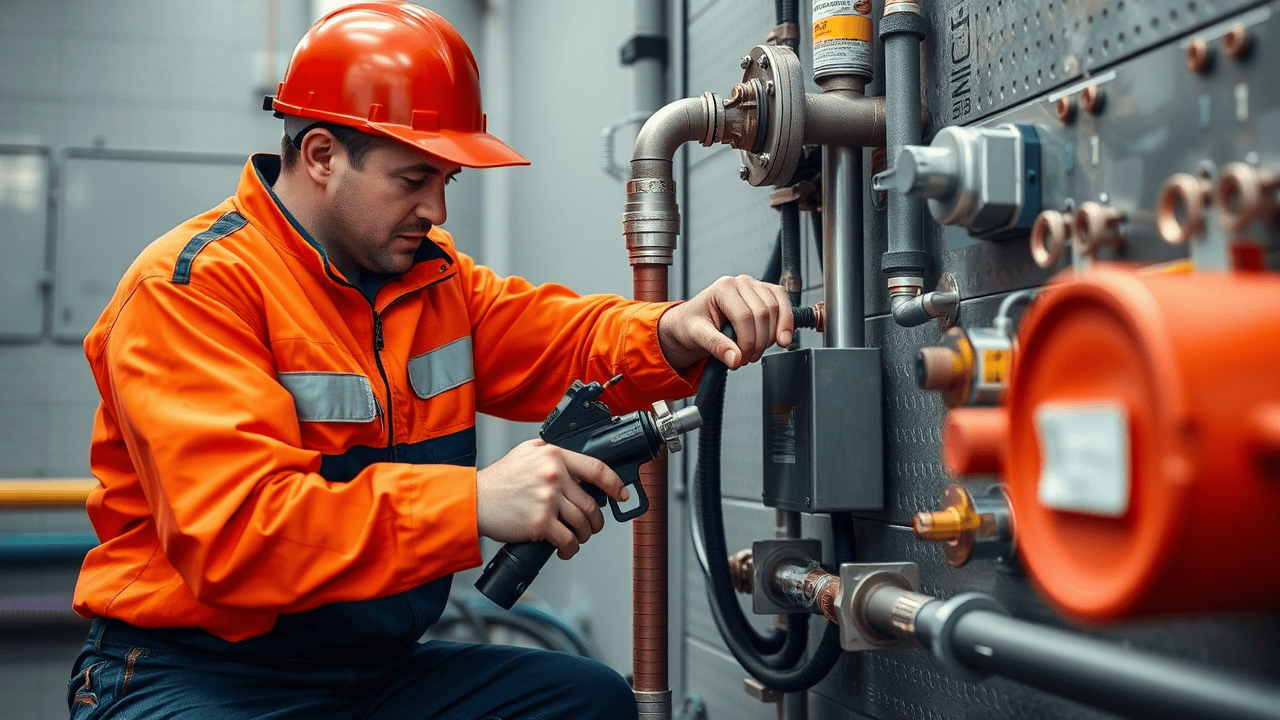
Aqua-Tech Backflow Services specializes in professional gas line installation and repair, ensuring your home or business operates safely and efficiently. Our team of licensed technicians is equipped to handle everything from the initial installation of new gas lines to routine inspections and emergency repairs. We understand the critical nature of gas systems, which is why we prioritize safety and compliance with local regulations in every job we undertake. Whether you need to upgrade your existing gas lines, fix any leaks, or install gas appliances, Aqua-Tech Backflow Services is committed to delivering reliable, high-quality workmanship that you can trust. Your safety and satisfaction are our top priorities, and we are here to help with all your gas line needs.
Benefits of Regular Maintenance
Regular maintenance of gas lines is crucial for ensuring safety and preventing costly repairs down the line. A well-maintained system reduces the risk of leaks, which can lead to hazardous situations. Consistent checks allow for early detection of issues, making it easier to address minor repairs before they escalate into major problems. This proactive approach not only safeguards the home but also contributes to the longevity of the gas line infrastructure.
Moreover, maintaining gas lines often improves efficiency in gas consumption. Regular inspection and servicing can identify any underlying problems that may cause your appliances to work harder, ultimately leading to higher energy bills. Keeping gas lines in optimal condition supports better performance of heating systems, water heaters, and other gas-operated appliances, providing peace of mind while ensuring economical utility costs.
Preventative Measures for Longevity
Regular inspections of gas lines play a crucial role in their longevity. Professional plumbers can identify any early signs of wear, corrosion, or damage during these inspections. These early interventions can prevent larger issues from developing, ensuring that the gas system remains safe and efficient. Homeowners should schedule routine check-ups, especially if the lines are older or if there have been any recent disturbances in pressure or flow.
In addition to professional inspections, homeowners can contribute to the longevity of their gas lines through careful monitoring. Keeping an eye out for unusual odors or noises can aid in spotting potential problems. Ensuring that vegetation does not encroach on pipelines can also minimize the risk of physical damage. Furthermore, maintaining proper ventilation around gas appliances will help to reduce buildup and promote overall system health.
Common Gas Line Problems
Gas lines can encounter various issues that may compromise safety and functionality. One common problem is gas leaks, which can occur due to corrosion, poor installation, or physical damage. Detecting a gas leak often involves noticing a distinct smell akin to rotten eggs, accompanied by symptoms like headaches or nausea in individuals nearby. Regular inspections can help identify these leaks early before they escalate into hazardous situations.
Another issue that might arise is inadequate pressure in the gas line. This can lead to inefficient appliance operation or even complete shutdowns. Causes of low pressure may include blockages, old or damaged pipes, and improper valve functioning. Addressing these problems promptly not only ensures the efficiency of gas-operated appliances but also mitigates potential safety risks. Regular maintenance can significantly reduce the likelihood of these common gas line issues.
Identifying Issues Early
Being aware of the signs that indicate a potential gas line issue is crucial for maintaining safety in the home or business. Unusual smells, particularly a sulfur-like odor, can often signal a gas leak. Physical symptoms such as headaches, dizziness, or nausea may also suggest that gas is escaping. It is essential not to ignore these warning signs, as they can escalate quickly into dangerous situations.
Regular inspection of gas lines can help identify problems before they become severe. Homeowners should check for any visible wear or damage and listen for hissing noises that may indicate a leak. Additionally, monitoring gas bills for unexplained increases can provide an early warning. Engaging a professional plumber to conduct routine inspections ensures any potential issues are addressed promptly, safeguarding both property and occupants.
Repairing vs. Replacing Gas Lines
When faced with issues in your gas lines, understanding whether to repair or replace is crucial. Repairs are often the preferred choice for minor leaks or small damages. Quick fixes can be effective and less expensive, allowing homeowners to resolve issues without significant disruption. In many cases, a professional plumber can assess the situation and provide a cost-effective solution that extends the lifespan of the existing system.
However, some circumstances warrant a complete replacement. Older gas lines may suffer from corrosion or deterioration, making repairs less viable over time. If multiple problems arise or if the system is outdated, investing in a new installation could be more beneficial. This not only enhances safety but also improves overall efficiency, potentially leading to lower utility costs and peace of mind for homeowners.
When to Choose Replacement
In some cases, repairing a gas line may not be the most effective solution. If the line exhibits significant corrosion, repeated leaks, or extensive damage, a replacement might be more economical in the long run. Aging gas lines can become problematic, leading to recurring issues that could place safety at risk. Homeowners should consider the overall condition of the pipe and weigh the costs of ongoing repairs against investing in a new line.
Another critical factor to evaluate is the age of the existing gas line. Lines that are several decades old may not meet current safety standards or regulations. Additionally, they may not have the resilience needed to handle today’s demands. Choosing to install a replacement line ensures adherence to updated codes and reduces the likelihood of future complications. This proactive approach not only enhances safety but also provides peace of mind for homeowners.
FAQS
What are the benefits of regular gas line maintenance?
Regular gas line maintenance helps prevent leaks, ensures safety, improves efficiency, and extends the lifespan of the gas line.
How can I identify gas line issues early?
Signs of gas line issues include the smell of gas, hissing or whistling sounds, dead vegetation above the line, and increased gas bills. If you notice any of these signs, it's important to contact a professional immediately.
What is the difference between repairing and replacing a gas line?
Repairing a gas line typically involves fixing specific issues, such as leaks or corrosion, while replacing a gas line means installing a new line altogether, which may be necessary if the line is extensively damaged or outdated.
When should I choose to replace my gas line instead of repairing it?
You should consider replacing your gas line if it is old, has multiple leaks, shows significant corrosion, or if repairs would cost close to the price of a new line.
How often should I have my gas line inspected?
It is recommended to have your gas line inspected at least once a year or more frequently if you experience any issues or have made changes to your gas system.