Estimated Timeframe for Repairs
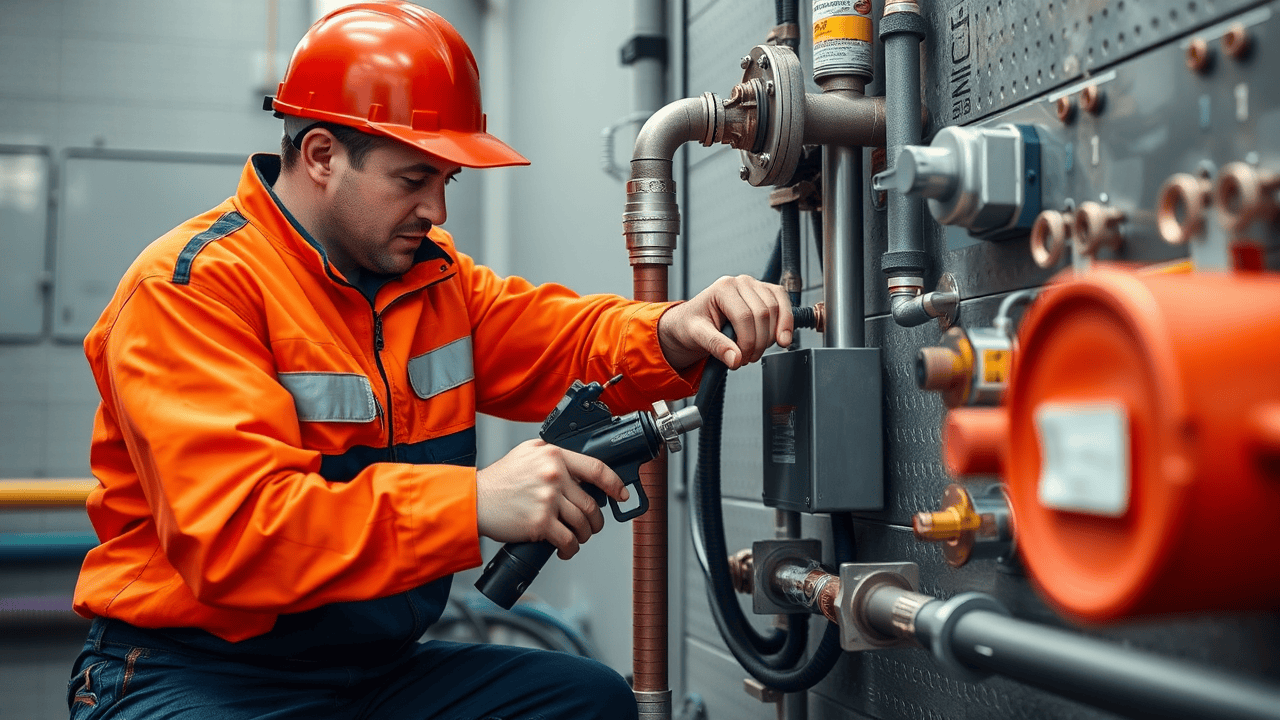
The timeframe for gas line installation and repair can vary significantly based on several factors. Typically, minor repairs may take just a few hours to complete. In contrast, more complex issues, such as severe leaks or extensive damage, could require several days for thorough inspection and restoration. Skilled technicians assess the situation first, allowing them to determine the necessary scope of work before providing an estimated timeline.
Homeowners should also consider the preparation involved in these repairs. Obtaining the required permits and ensuring compliance with local regulations can add additional time to the process. While emergency situations might warrant expedited service, standard procedures will likely follow a longer timeline to guarantee safety and adherence to industry standards. Ensuring that all elements are addressed properly is paramount for the successful completion of gas line installation and repair.
Simple vs. Complex Repairs
The time required for gas line installation and repair can vary significantly based on the complexity of the task. Simple repairs, such as fixing a small leak or replacing a damaged section, may typically take a few hours. Such jobs often require minimal tools and equipment, allowing technicians to work efficiently. The straightforward nature of these tasks limits potential complications, resulting in quicker turnaround times.
On the other hand, more complex repairs can take considerably longer. Issues like extensive pipe replacements, rerouting lines, or addressing multiple leaks demand a thorough assessment and careful execution. These jobs involve more intricate procedures, often requiring the shutdown of the gas supply and potentially extensive excavations. The detailed planning and regulatory compliance needed for these tasks can extend the time frame significantly.
Costs Associated with Gas Line Repairs
Costs associated with gas line repairs can vary significantly based on several factors. Gas line installation and repair typically involves both labor and material expenses. Labor costs depend on the complexity of the job and the rates charged by professionals in a given area. Material costs may include pipes, fittings, and any necessary safety equipment, which can add to the overall expense.
In addition to the primary costs of labor and materials, there may be other expenses that arise during the repair process. Potential permits and inspection fees can increase the overall price, especially in areas with strict regulations. Ensuring compliance with local codes is essential, and professionals often factor these considerations into their estimates for gas line work.
Labor and Material Expenses
Labor costs for gas line installation and repair can vary significantly based on the complexity of the job and the experience level of the technicians involved. In general, skilled professionals charge a premium for their expertise, especially when dealing with potential safety hazards. It is advisable to obtain multiple quotes from contractors to ensure a fair price, as this can help homeowners gauge the typical rates in their area.
Material expenses also contribute to the overall cost of gas line installation and repair. The type and length of the gas line required will impact the material costs. Homeowners should consider using durable materials that comply with local regulations to ensure safety and longevity. While initial expenditures may feel high, investing in quality materials can save money in the long run by reducing the likelihood of future repairs.
Permits and Regulations
Complying with local regulations is essential when dealing with gas line installation and repair. Many municipalities require permits for any work performed on gas lines to ensure safety and adherence to building codes. These permits help to maintain industry standards and protect both the property and its occupants from potential hazards, such as gas leaks and explosions. Homeowners or contractors must typically submit detailed plans and specifications for approval before beginning any repair work.
In addition to obtaining permits, it is crucial to understand the inspections that may be mandated during and after gas line installation and repair. Regulatory agencies may require inspections to verify that the work complies with safety codes. This ensures that any potential issues are identified early, reducing risks associated with faulty installations. Skipping these regulatory steps can lead to significant penalties and may compromise safety, making it vital for all parties involved to prioritize compliance throughout the process.
Importance of Compliance
Compliance with local codes and regulations is crucial when it comes to gas line installation and repair. Unauthorized modifications or repairs can lead to dangerous situations, including gas leaks or explosions. Ensuring that all work is performed according to established standards protects both property and lives. Homeowners should verify that any contractor they hire is licensed and familiar with local laws.
Neglecting compliance can result in hefty fines and can complicate insurance claims in the event of an incident. Moreover, failure to follow guidelines might require rework or additional inspections, increasing project timelines and costs. Being proactive about compliance not only promotes safety but also enhances the overall integrity of the gas line system.
FAQS
How long does it typically take to fix a broken gas line?
The repair timeframe can vary widely, but on average, it may take anywhere from a few hours to a few days, depending on the complexity of the break and the location of the gas line.
What factors influence the time required for gas line repairs?
Factors include the severity of the break, accessibility of the gas line, local regulations, weather conditions, and the availability of necessary permits.
Are simple gas line repairs faster than complex ones?
Yes, simple repairs typically require less time to complete than complex repairs, which may involve extensive excavation or replacement of larger sections of the gas line.
Do I need a permit to repair a broken gas line?
Yes, most areas require permits for gas line repairs to ensure safety and compliance with local regulations. It's best to check with your local authorities for specific requirements.
How much does it cost to repair a broken gas line?
The cost of repairs can vary based on the extent of the damage, the materials needed, and labor expenses. Generally, it may range from a few hundred to several thousand dollars.