DIY vs. Professional Repairs
When it comes to repairing a broken fuel line, many car owners weigh the option of tackling the job themselves versus hiring a professional. DIY repairs can be appealing for those who enjoy hands-on work and want to save on labor costs. However, this approach requires a certain level of mechanical knowledge and access to the right tools. Mistakes can lead to safety hazards or more extensive damage, potentially driving up costs in the long run. Researching topics like "Gas line installation and repair near me" can provide valuable insights for those considering a DIY fix.
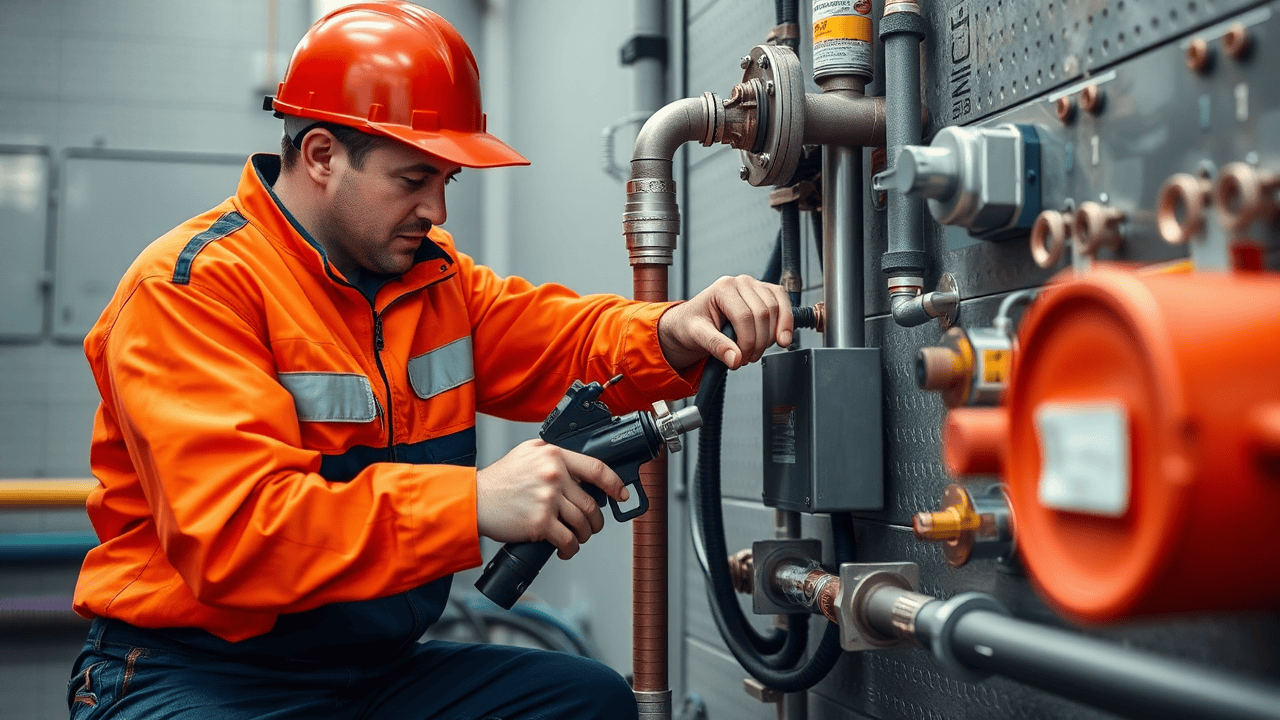
On the other hand, professional repairs ensure that the job is done correctly and safely. Mechanics have the experience and specialized tools necessary to handle complex fuel line issues. This option may come with a higher upfront cost but offers peace of mind and often includes warranties on parts and labor. For car owners who are uncertain about their skills or the intricacies of fuel systems, seeking help from a reputable service provider can prevent headaches down the line.
Pros and Cons of Each Approach
Opting for DIY repairs can be an appealing choice for those with mechanical skills. It allows for cost savings as labor fees are eliminated. Additionally, tackling the issue personally can be satisfying. However, without proper expertise and tools, you risk making mistakes that could lead to further damage. Safety is a significant concern when dealing with fuel lines since improper handling can result in hazardous leaks or fires.
On the other hand, hiring a professional mechanic ensures that the job is done correctly and safely. Professionals bring experience and specialized tools, providing peace of mind that the repair will comply with safety standards. Yet, the costs associated with hiring a mechanic can be substantial. It's essential to do research and seek out quality services, such as searching for "gas line installation and repair near me," to find someone who both meets your budget and delivers reliable work.
Finding a Trusted Mechanic
When searching for a trusted mechanic, it’s essential to consider local options that specialize in fuel line services. Start by asking friends and family for recommendations, as personal experiences often lead to reliable choices. Online reviews can provide additional insight into a shop's reputation. Look for mechanics who have certifications, ensuring they are knowledgeable about fuel line installation and repair. A well-rated shop may save time and offer peace of mind in knowing your vehicle is in good hands.
To narrow down your options, try searching "Gas line installation and repair near me" to find professionals in your area. Contact potential mechanics to discuss your specific issue and gauge their expertise. Transparent communication about costs and processes can indicate a trustworthy provider. Additionally, inquire about warranties on both parts and labor, which can reflect the quality of service you can expect. Establishing a good relationship with a reliable mechanic proves beneficial for future maintenance and repairs.
Tips for Choosing the Right Service Provider
When searching for a trusted mechanic, consider the experience and qualifications of the service provider. Look for shops that have certified technicians specializing in fuel line repairs. Customer reviews can give insight into the quality of work and reliability. Ask friends or family for recommendations to ensure you're getting a reputable service.
Online searches can also aid in finding local options. Use terms like "Gas line installation and repair near me" to pinpoint nearby professionals. Once you find potential candidates, request quotes and inquire about warranties on their work. This will help you gauge both the cost and the level of service offered, allowing for a more informed decision.
Preventive Measures for Fuel Line Maintenance
Regular maintenance of fuel lines plays a crucial role in preventing costly repairs. Routine inspections can identify signs of wear, corrosion, or leaks before they escalate into bigger issues. Keeping an eye on the connections and fittings can alert you to potential problems early on. Ensuring that the fuel lines are free from debris and not exposed to extreme temperatures also helps prolong their lifespan.
In addition to regular checks, using high-quality fuel and ensuring proper gas line installation can make a significant difference in performance. If you suspect your fuel line needs attention or routine maintenance, searching for "gas line installation and repair near me" can connect you with professionals who specialize in this area. Investing in preventive measures not only enhances the longevity of your fuel system but also promotes overall vehicle safety.
Regular Checks and Routine Care
Regular checks and routine care play a vital role in ensuring the reliability and longevity of your fuel lines. Inspections can catch issues early, preventing costly repairs down the line. Look for signs of wear, such as cracks or leaks, and don’t hesitate to address any irregularities. Keeping your vehicle's fuel system clean can also help maintain efficiency.
When it comes to maintenance, it’s essential to find a trusted service provider. Some local searches can be quite effective, such as looking for "Gas line installation and repair near me." Choosing a reputable mechanic not only gives peace of mind but also ensures that any repairs made will be done correctly. Regular servicing will enhance the performance of your vehicle while mitigating the risks of unexpected breakdowns.
FAQS
How much does it typically cost to fix a broken fuel line?
The cost to fix a broken fuel line can vary widely depending on the vehicle make and model, labor costs, and location, but it generally ranges from $150 to $500.
Can I repair a fuel line myself?
Yes, you can repair a fuel line yourself if you have the necessary skills and tools. However, it is important to follow safety protocols and consider the complexity of the job before deciding to proceed with a DIY repair.
What are the signs of a broken fuel line?
Common signs of a broken fuel line include fuel leaks, a strong gasoline smell, difficulty starting the vehicle, and engine performance issues.
How can I find a trusted mechanic for fuel line repairs?
To find a trusted mechanic, ask for recommendations from friends or family, check online reviews, and ensure the mechanic is certified and experienced in fuel line repairs.
What preventive measures can I take to maintain my fuel line?
Regular checks for leaks, keeping the fuel system clean, and performing routine maintenance can help prevent issues with your fuel line and extend its lifespan.