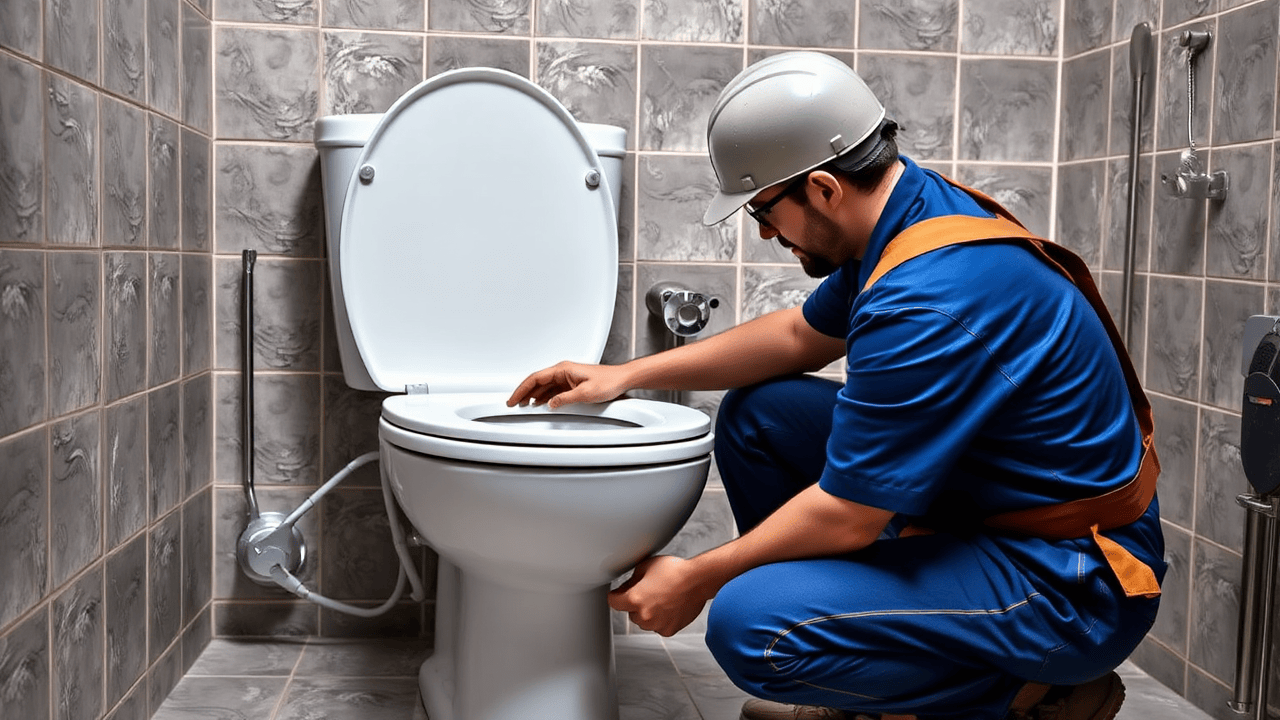
At Aqua-Tech Backflow Services, we specialize in expert toilet installation and repair services designed to keep your home’s plumbing running smoothly. Whether you're upgrading to a modern, water-efficient model or need prompt repairs for a malfunctioning toilet, our skilled technicians are equipped to handle jobs of any size with precision and care. We understand the inconvenience that toilet issues can cause, which is why we prioritize fast and reliable service to restore comfort to your bathroom. From assessing the best installation options to addressing leaks, clogs, and flushing problems, Aqua-Tech Backflow Services is your trusted partner in ensuring your toilets function perfectly for years to come.
Replacing a Toilet Flapper
A malfunctioning toilet flapper can lead to constant running and increased water bills. This simple component is responsible for sealing the tank and allowing water to flow into the bowl when the toilet is flushed. Over time, flappers can wear out due to mineral buildup or general degradation. Regular inspections are essential to catch these issues early, saving both water and money.
Replacing a toilet flapper is a straightforward task that requires minimal tools. Start by turning off the water supply and draining the tank. Disconnect the old flapper from the chain and remove it from the overflow tube. Install the new flapper by reversing the process, ensuring it creates a proper seal. Once everything is reconnected, turn the water supply back on and flush the toilet to test for leaks and proper function.
A Quick and Easy Guide
Toilet flappers are crucial components that control water flow in your toilet tank. Over time, they can wear out or become warped, leading to leaks and higher water bills. Begin by turning off the water supply to the toilet and flushing to empty the tank. This allows you to access the flapper without water in the way. Disconnect the old flapper from the flush valve by unclipping it from the ears or lifting it off the post.
Before installing the new flapper, make sure to clean the flush valve seat to ensure a proper seal. Align the new flapper over the valve and secure it in place. Reattach the chain to the lever arm, adjusting the length if necessary to ensure the flapper opens and closes smoothly. Once everything is back in place, turn the water supply on and check for leaks. Testing the flush after installation guarantees that the flapper is functioning correctly.
Toilet Clogging Solutions
Clogged toilets are a common plumbing issue that can cause significant inconvenience. To tackle blockages effectively, first assess the severity of the clog. For minor clogs, a plunger often does the trick. It creates a vacuum that can dislodge objects obstructing the flow. Ensure a proper seal around the toilet base by covering the opening with the plunger before making firm, controlled thrusts. If the clog persists, consider using a toilet auger, also known as a closet auger. This tool is designed to reach deeper clogs that a plunger might not be able to access.
For more severe blockages, chemical drain cleaners can provide assistance, but they should be used with caution. These products contain harsh chemicals that can damage plumbing and are not always effective against stubborn clogs. As a safer alternative, a natural solution of baking soda and vinegar may be worth trying. This combination can help break down waste and eliminate odors. Allow the mixture to sit for about 30 minutes before flushing the toilet. In cases where simple methods fail to resolve the clog, contacting a professional plumber is advisable to prevent further plumbing issues.
Effective Methods to Clear Blockages
Dealing with a clogged toilet can be frustrating, but several effective techniques can help clear blockages quickly. One popular method involves using a plunger. A quality plunger creates a solid seal around the toilet bowl, allowing you to apply force that can break up the obstruction. Ensure you position the plunger correctly and use firm, controlled thrusts. For stubborn clogs, a toilet auger may be necessary. This specialized tool consists of a long, flexible wire that can reach deeper blockages, dislodging debris that a plunger might not be able to reach.
In some cases, hot water can serve as a simple yet effective solution. Pouring a bucket of hot water into the toilet can help soften and break down the clog, making it easier to flush away. If the blockage persists, a mixture of baking soda and vinegar can provide a natural remedy. Pour baking soda into the toilet bowl, followed by vinegar, and let the combination sit for several minutes. The bubbling reaction can help eliminate organic materials causing the blockage. Always take precautions when using these methods to avoid potential damage to your plumbing system.
Preventative Maintenance for Toilets
Regular maintenance can significantly extend the lifespan of your toilet. Flushing systems can benefit from periodic inspections to check for leaks or wear and tear. Once a year, consider replacing the flapper and checking the fill valve and flush handle for optimal efficiency. Cleaning the toilet bowl regularly helps prevent staining and mineral buildup, contributing to a cleaner bathroom environment.
In addition to these inspections, adopting good habits can prevent many issues. Avoid disposing of anything other than waste and toilet paper to reduce the risk of clogs. Use a gentle cleaner designed for toilets to avoid damaging internal components. Remember to keep the tank lid on to maintain a proper seal, further ensuring that everything operates smoothly. Implementing these practices will help maintain effective performance and reduce the likelihood of costly repairs.
Tips for LongLasting Performance
Toilets require regular maintenance to ensure optimal performance over time. Inspecting the flush handle for proper function and checking the tank for leaks can prevent future issues. Periodic cleaning of the bowl keeps it fresh and free from stains, while also reducing the chances of mineral buildup affecting the flushing mechanism.
Investing in quality toilet components can enhance durability. Upgrading to a high-efficiency flapper or fill valve can lead to significant savings on water bills while improving overall function. Additionally, avoid flushing non-biodegradable items as this can cause clogs and damage. Regularly evaluate the toilet for any signs of wear or leaks to address minor issues before they escalate.
FAQS
How often should I replace my toilet flapper?
It's usually recommended to replace the toilet flapper every 3 to 5 years, but if you notice signs of leaking or poor flushing performance, it may be time to replace it sooner.
What are some common causes of toilet clogs?
Common causes of toilet clogs include flushing inappropriate items like paper towels or personal hygiene products, a buildup of toilet paper, or a malfunctioning toilet mechanism.
How can I prevent my toilet from clogging?
To prevent clogs, avoid flushing anything other than toilet paper, use less toilet paper when possible, and perform regular maintenance to ensure all components are functioning properly.
What maintenance should I perform for my toilet?
Regular maintenance includes checking for leaks, cleaning the toilet bowl, inspecting the flapper and fill valve, and ensuring the tank is properly filled and functioning.
When should I call a plumber for toilet issues?
You should call a plumber if you encounter persistent clogs that you can't clear, if your toilet is leaking significantly, or if you're unsure about how to fix a plumbing issue safely and effectively.