LongTerm Considerations for Repairs
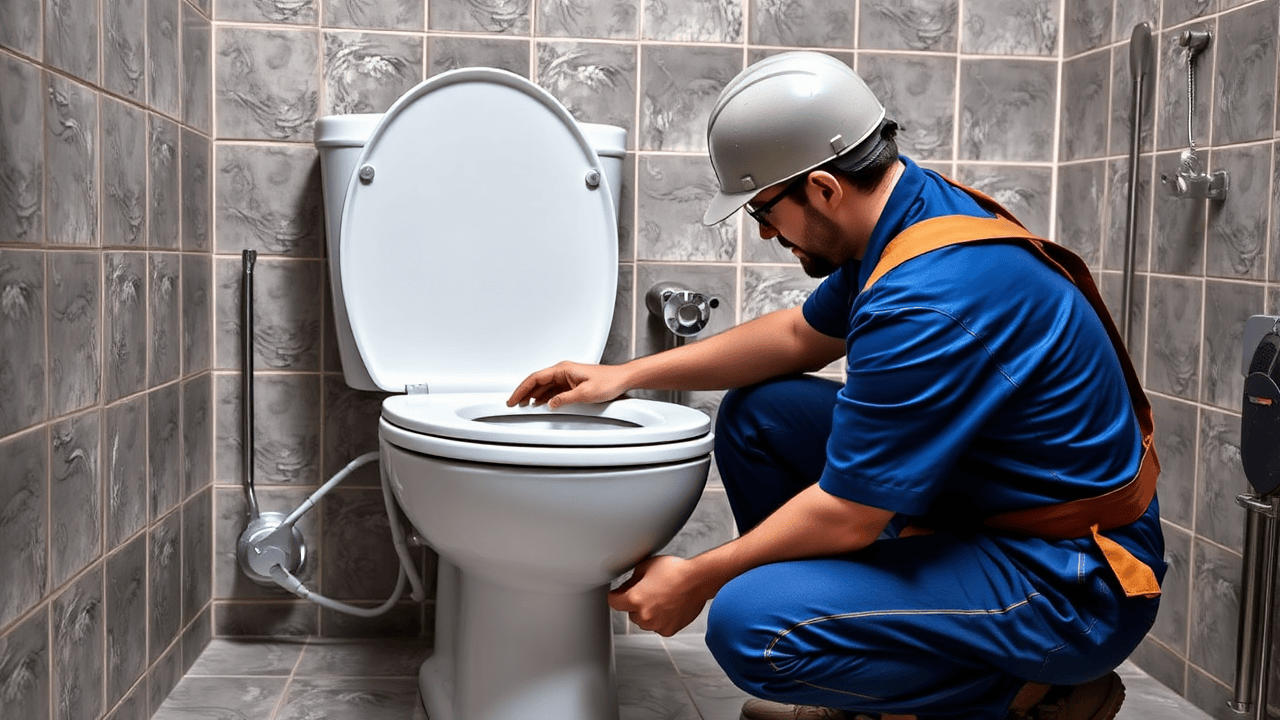
When considering the long-term implications of toilet repairs, it's essential to evaluate the nature of the issues at hand. Minor problems, such as a leaky flapper or a worn-out fill valve, often warrant repair rather than replacement. In many cases, these repairs are less expensive and can extend the life of the existing toilet. Regular maintenance methods can address small issues early, preventing them from escalating into more significant problems over time.
On the other hand, frequent repairs signal that the toilet may be nearing the end of its lifespan. If you're consistently calling in a plumber for toilet installation and repair, the cumulative costs might eventually surpass the price of a new unit. Investing in periodic repairs can be economical in the short term, but it's crucial to consider how these repairs fit into the overall health and functionality of your plumbing system. A carefully assessed decision can ultimately save money and time in the long run.
Potential Future Expenses
Potential future expenses can play a significant role in the decision to fix or replace a toilet. Even after a repair, issues may arise again in the near future, resulting in repeat costs that could counterbalance the initial savings. For instance, when fixing a leaking toilet, the repair may only address the immediate problem, yet underlying issues in older models might lead to further repairs. Evaluating the frequency and cost of past repairs can provide insight into whether ongoing maintenance will become a burden.
Toilet installation and repair costs should also be considered when determining the total cost of ownership for a toilet. New models typically feature improved designs and materials, which can ultimately reduce the frequency of issues over time. Alongside improved efficiency, modern toilets may yield savings on water bills, offsetting some of the initial investment. Balancing these potential long-term savings against the initial installation or repair costs is crucial for making an informed decision.
LongTerm Considerations for Replacements
Choosing to replace a toilet rather than repair it entails evaluating not just the immediate costs but the long-term benefits as well. A new toilet often features advanced water-saving technologies that can lead to lower utility bills over time. Additionally, modern designs can enhance bathroom aesthetics and functionality, adding potential value to your home. Overall, considering these aspects can make replacement a financially sound decision, even if the upfront costs are higher than a simple repair.
When assessing your bathroom's needs, it’s essential to think about the longevity of your investment. Older toilets may require frequent repairs, leading to cumulative costs that surpass the price of a new model. Toilet installation and repair costs should be weighed against these factors. A new toilet can reduce the frequency of service calls and repair needs, promoting peace of mind for years to come. The decision to replace may ultimately save you time and money, ensuring that your bathroom remains efficient and functional.
Benefits of New Technology
Modern toilets often come equipped with innovative features that enhance efficiency and comfort. Many new models utilize advanced flushing systems that conserve water while maintaining powerful performance. These improvements not only contribute to lower water bills but also support efforts toward environmental sustainability. Upgrading to a new toilet can offer significant benefits in terms of functionality.
Toilet installation and repair can also be influenced by the integration of smart technology. Some contemporary units come with sensors that detect leaks or malfunctions, alerting homeowners before minor issues escalate into costly repairs. Additionally, features such as heated seats and self-cleaning systems enhance user experience and convenience. Embracing these advancements can lead to a more reliable and enjoyable bathroom environment.
Assessing the Condition of Your Toilet
When evaluating the condition of your toilet, it is essential to consider its age and performance. A well-maintained toilet can last 20 to 30 years, while older models may exhibit signs of wear that can lead to frequent repairs. Issues such as constant leaks, persistent clogs, and weak flushing power can indicate that the toilet is nearing the end of its lifespan. Observing these symptoms can help determine if a repair will suffice or if you should consider a replacement. Understanding these factors is crucial for making an informed decision.
Additionally, inspecting the toilet for physical damage is important. Cracks in the porcelain or a wobbly base may signal underlying problems. A secure installation contributes to effective toilet installation and repair. If the toilet requires multiple repairs within a short period, the cost may accumulate, making replacement a more practical choice. Overall, carefully assessing your toilet’s condition can provide valuable insights into the best course of action.
Signs That Indicate Replacement
Several indicators suggest that replacing your toilet is a wise choice. Frequent clogs, cracks in the ceramic, or continuous leaks can signal that the fixture has reached the end of its lifespan. If you find yourself constantly calling for toilet installation and repair services, it may be time to consider a new model.
Beyond visible damage, age plays a significant role in assessing your toilet's condition. A toilet over 25 years old may not only function poorly but can also lack efficiency compared to newer models. Upgrading to a modern toilet can lead to better water conservation and improved comfort, making replacement a more attractive option in the long run.
FAQS
How do I determine whether to fix or replace my toilet?
To determine whether to fix or replace your toilet, assess the age of the toilet, the extent of the repairs needed, and the frequency of repairs in the past. If the toilet is older and requires frequent repairs, replacement may be a more cost-effective option in the long run.
What are the common signs that indicate I need to replace my toilet?
Common signs that indicate you may need to replace your toilet include persistent leaks, cracks in the bowl or tank, frequent clogs, or if the toilet is over 25 years old. Additionally, if it uses excessive water per flush, it may be wise to consider replacing it with a more efficient model.
Are there any long-term benefits to replacing an old toilet?
Yes, replacing an old toilet can offer long-term benefits, including water savings from more efficient models, reduced maintenance costs, and improved performance. Newer toilets may also have advanced features that enhance user comfort and convenience.
How much can I expect to spend on repairing a toilet?
Repair costs for a toilet can vary widely depending on the type of repair needed. Simple fixes like replacing a flapper or handle may cost under $50, while more extensive repairs, such as fixing leaks or replacing the fill valve, could range from $100 to $300 or more.
What are the potential future expenses of keeping an old toilet?
Potential future expenses of keeping an old toilet may include ongoing repair costs, higher water bills due to inefficient flushing, and the possibility of needing to replace it entirely if it fails. These costs can add up over time, making replacement a more appealing option.