Plumbing Adjustments and Repairs
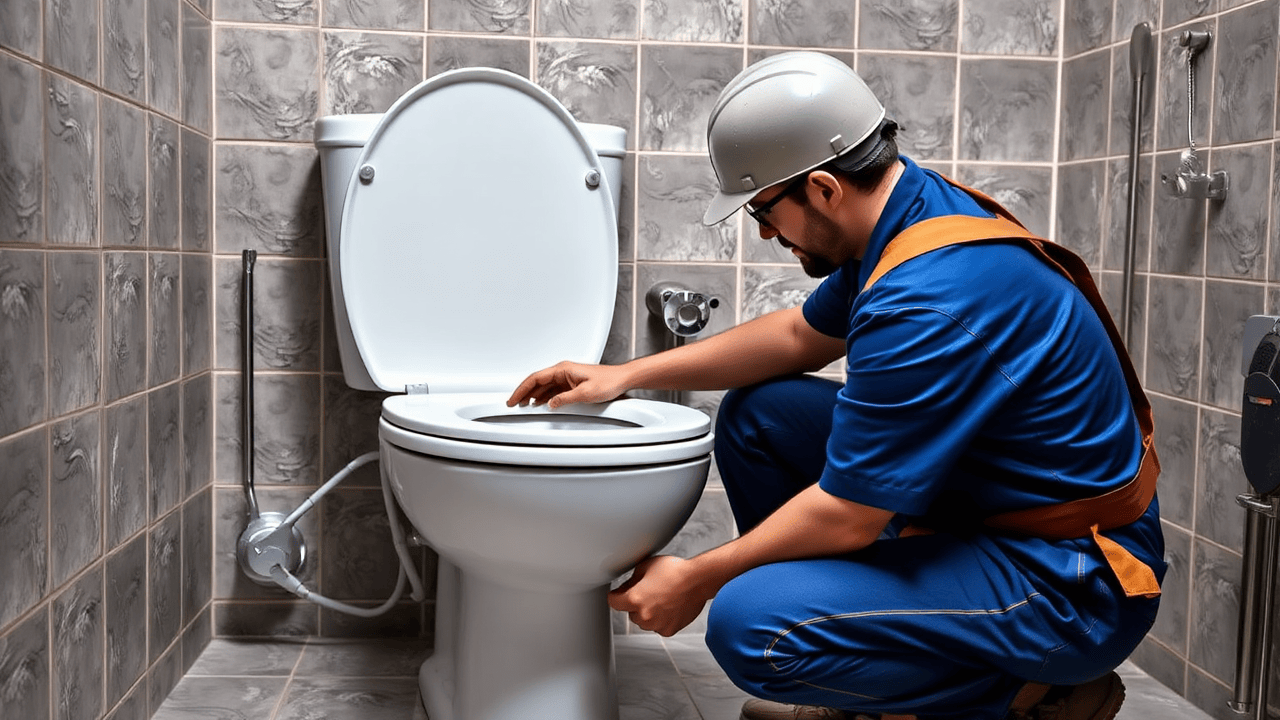
When considering toilet installation and repair in a home, it’s important to factor in any necessary plumbing adjustments. Existing plumbing may not align properly with the new toilet setup, requiring modifications to the pipes. An experienced plumber will assess the current system and determine if pipe relocation or replacement is essential, impacting both the scope of work and the overall cost.
Additionally, the condition of the surrounding plumbing can dictate the type of repairs needed. For instance, older pipes may require upgrading to comply with plumbing codes or to prevent leaks and damage. Homeowners should budget for potential extra expenses that arise from these repairs, as they can significantly increase the total price of installation.
Pipe Relocation and Replacement
Pipe relocation and replacement can significantly influence the overall cost of a new toilet installation. When the existing plumbing does not accommodate the new toilet's location or connection requirements, adjustments are necessary. This often involves moving supply lines, waste pipes, or vent stacks. Depending on the complexity of the job, the labor and materials associated with relocation can add a substantial amount to the project's final price.
Homeowners in the midst of toilet installation and repair in an older home may encounter outdated plumbing configurations that necessitate upgrades. In such cases, it may be worthwhile to replace aging pipes to prevent future issues and ensure optimal function. Evaluating both the current state of the plumbing system and any potential modifications can help provide a clearer estimate of costs involved.
Accessories That Impact Total Cost
Accessories play a crucial role in determining the total cost of toilet installation and repair in a home. Basic models usually come with standard seats, but upgrading to specialty features like heated seats or soft-close options can significantly increase the price. Additionally, accessories such as toilet tank covers, bowl wax seals, and cleaning supplies can add to the overall expense. Homeowners should consider these accessories when budgeting for their new toilet to avoid unexpected costs.
Another factor influencing total cost is the inclusion of advanced attachments like bidets. A standalone bidet can also add additional installation expenses, while integrated bidet seats typically require more complex plumbing adjustments. Buyers need to weigh the benefits of these features against their budget, as they contribute not only to functionality but also to comfort and hygiene. Toilet installation and repair in various regions might reflect these accessory decisions in the overall pricing, differing from one area to another based on local market demand and preferences.
Toilet Seats and Bidet Attachments
Toilet seats and bidet attachments significantly influence the overall cost of a new toilet installation. The market offers a wide variety of toilet seats, ranging from basic models to high-end options with heated features and soft-close mechanisms. Each choice can impact the final price, depending on the materials used and the brand reputation. Bidet attachments also come in various styles and functionalities. Some users opt for integrated bidet toilets, while others choose simpler, standalone devices.
When considering toilet installation and repair in your home, both the type of toilet seat and any additional fixtures you select should be factored into your budget. High-quality seats and bidet attachments can enhance comfort and hygiene, making them worthwhile investments. A well-considered choice can elevate the bathroom experience, leading to increased satisfaction with your purchase.
Regional Price Variations
Toilet installation and repair in different regions can vary significantly based on several socioeconomic factors. Urban areas often experience higher labor costs due to increased demand for skilled tradespeople. The cost of living in cities can also raise prices for materials needed in the installation process, resulting in a higher overall expense for consumers in metropolitan locations.
Conversely, rural areas often benefit from lower labor and material costs. While the availability of specialized plumbing services may be limited, standard installations tend to be more affordable compared to urban settings. Homeowners in these areas might find competitive pricing on service calls, although longer travel distances for contractors could sometimes affect timelines for installation and repair.
Urban vs. Rural Pricing
Pricing for toilet installation and repair in urban areas typically reflects higher labor costs and demand for service. Many cities have a greater concentration of licensed plumbers, which can drive competition but also raise prices due to higher living costs. Homeowners may also find that specialized services are more readily available in these locations, contributing to a broader range of pricing options for both basic and luxurious toilet models.
In rural settings, toilet installation and repair costs often tend to be lower. The cost of labor may be diminished due to less competition among service providers. However, homeowners might face unique challenges, such as limited access to certain products or longer wait times for parts, which could influence total expenses. Situational factors, such as the distance a plumber must travel, can also affect pricing significantly in these regions.
FAQS
How much does a new toilet typically cost?
The cost of a new toilet can range from $100 to $500, depending on the type, brand, and features.
What are the average installation costs for a toilet?
Installation costs generally range from $100 to $300, depending on the complexity of the installation and local labor rates.
Are there any additional costs to consider when installing a new toilet?
Yes, additional costs may include plumbing adjustments, new accessories like toilet seats or bidet attachments, and any necessary repairs or modifications to existing plumbing.
How do regional price variations impact the cost of a new toilet and installation?
Urban areas may have higher labor costs and prices for materials compared to rural areas, potentially increasing the overall cost of purchasing and installing a new toilet.
Can I install a toilet myself to save on costs?
While DIY installation can save money, it's important to have the necessary skills and tools. Improper installation can lead to leaks or other issues, which might result in higher costs down the line.