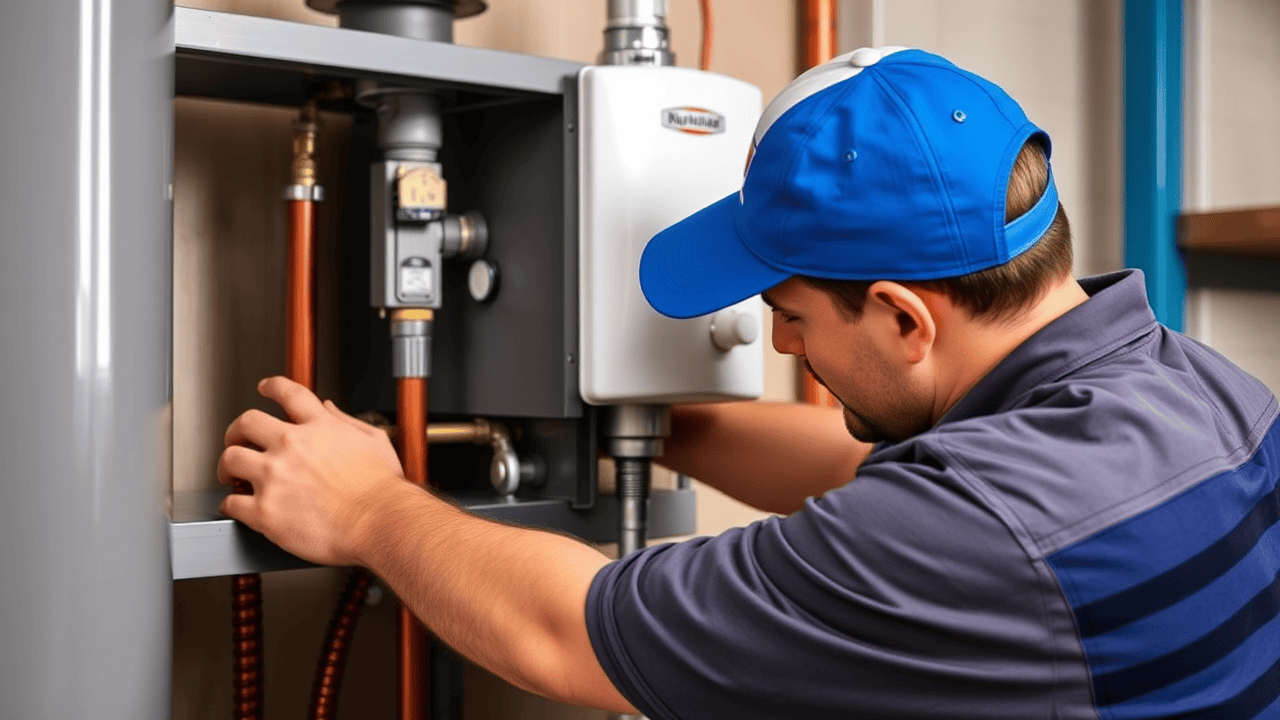
Aqua-Tech Backflow Services specializes in water heater installation and repair, providing expert solutions to ensure your home enjoys a steady supply of hot water. Our skilled technicians are trained to handle a wide range of water heater models, from traditional tank systems to modern tankless units. Whether you need a new installation to enhance your home's energy efficiency or prompt repairs to restore your existing system, we are dedicated to delivering top-notch service with a focus on quality and customer satisfaction. With Aqua-Tech, you can trust that your water heater needs are in capable hands, ensuring optimal performance and comfort in your home.
Maintenance Tips for Longevity
Maintaining your water heater properly can greatly extend its lifespan. Regular inspections are crucial to ensure that all components are in good condition. Check for signs of corrosion or leaks around the tank and fittings. Keeping the area around your water heater clean and free from debris helps improve airflow and reduces the risk of fire hazards. Inspect the anode rod periodically, as replacing it as needed can prevent buildup of sediment and prolong tank life.
Flushing your water heater at least once a year helps remove sediment that builds up over time. This sediment can impact efficiency and result in premature failure. Make sure to use the correct temperature setting to prevent overheating and reduce energy use. Insulating your water heater and pipes keeps energy costs down and maintains the optimal water temperature. Simple checks and proactive care can lead to a longer-lasting unit.
Regularly Flushing Your Water Heater
Over time, sediment and mineral buildup can accumulate inside your water heater tank. Regular flushing helps remove this debris, ensuring the appliance operates efficiently. This process typically involves turning off the heater, connecting a garden hose to the drain valve, and letting the water run until it appears clear. Routine flushing, ideally every six months to a year, can significantly extend the lifespan of your water heater while maintaining optimal performance.
Neglecting to flush the tank can lead to reduced heating efficiency and increased energy costs. It can also cause damage to the heater, potentially resulting in costly repairs or replacement. By adhering to a consistent flushing schedule, homeowners can mitigate these risks. Maintaining this practice not only enhances the appliance's functionality but also contributes to a more sustainable energy use in the household.
Troubleshooting Common Water Heater Issues
Water heaters can experience a variety of issues that may disrupt their function. One common problem is a lack of hot water. This can stem from several factors, including a faulty thermostat, a malfunctioning heating element, or a depleted fuel source. Checking the settings and ensuring that your power supply is stable can help diagnose the problem. If these areas appear fine, professional assistance may be necessary to investigate deeper issues within the unit.
Another frequent concern involves unusual noises coming from the water heater. Sounds such as popping, rumbling, or hissing may indicate sediment buildup in the tank, which can lead to overheating and potential damage over time. Flushing the tank can often resolve this issue and improve efficiency. If unexpected sounds persist despite regular maintenance, it may signal the need for repairs or replacement components to restore proper function and longevity.
Identifying Temperature Fluctuations
Temperature fluctuations in a water heater can often lead to discomfort and inconvenience in daily activities. If you notice scalding hot bursts or unexpectedly cold showers, it may indicate a malfunctioning thermostat or sediment buildup that requires attention. Regularly checking the temperature setting is crucial, as improper settings can contribute to these inconsistencies in heat.
Another common issue could stem from a failing heating element. This part is essential for maintaining consistent water temperature and should be monitored for inefficiency. If the water heater struggles to reach the desired temperature, it might be time to inspect or replace the heating element to ensure a steady supply of hot water.
Energy Efficiency Considerations
Energy efficiency plays a crucial role in reducing utility bills while minimizing environmental impact. Modern water heaters come in various types, including tankless or on-demand units, which provide hot water only as needed. These options often consume less energy than traditional storage-tank models. Considering your home's hot water needs can help determine the most suitable type of heater. Additionally, look for units with high Energy Factor (EF) ratings; higher ratings indicate better efficiency and lower operational costs.
Incorporating smart technology can further enhance energy savings. Smart thermostats and timers allow you to schedule heating based on usage patterns, preventing unnecessary energy expenditure. Insulating pipes and the water heater itself also aids in maintaining temperature and reducing heat loss. Regular maintenance checks ensure these systems operate at peak efficiency, detecting any potential issues before they lead to significant energy waste.
How to Choose an EcoFriendly Water Heater
Selecting an eco-friendly water heater begins with understanding the different types available. Tankless models, for instance, heat water on demand, reducing energy consumption and ensuring that no energy is wasted heating a tank of water continuously. Solar water heaters harness energy from the sun, making them a sustainable choice, especially in sunny climates. Consider the energy factor ratings when comparing various models. Higher ratings indicate better efficiency and can result in lower utility bills over time.
Another crucial aspect to consider is the size and capacity of the water heater. A unit that is too small will struggle to meet your needs, while an oversized system wastes energy. Evaluate your household's hot water requirements before making a decision. Additionally, check for environmentally friendly certifications, such as ENERGY STAR ratings, which can help identify products that meet strict efficiency standards. These factors contribute significantly to reducing your carbon footprint and ensuring a more eco-conscious home.
FAQS
What are the signs that my water heater needs repair?
Common signs that your water heater may need repair include inconsistent water temperatures, unusual noises, leaks, and a decrease in hot water supply.
How often should I flush my water heater?
It is generally recommended to flush your water heater every 6 to 12 months to remove sediment build-up and improve efficiency.
What should I do if I experience temperature fluctuations in my water?
If you experience temperature fluctuations, check the thermostat setting first. If it's set correctly and the issue persists, you may need to inspect the heating elements or consult a professional.
What are some energy-efficient options for water heaters?
Energy-efficient options include tankless water heaters, heat pump water heaters, and solar water heaters. Look for models with the ENERGY STAR label for optimal energy savings.
Can I install a water heater myself?
While some homeowners may choose to install a water heater themselves, it's often recommended to hire a licensed professional to ensure proper installation and adherence to local codes and safety standards.