Permits and Regulations
Permits and regulations play a crucial role in the replacement of a home water heater. In many areas, local governments require homeowners to obtain permits before any installation or major repair work begins. These permits ensure that the work meets safety codes and local building standards, which can vary significantly depending on the region. Homeowners must familiarize themselves with their local requirements to avoid any legal issues later on.
Water heater installation and repair in compliance with local regulations often necessitates additional time for approvals and inspections. Depending on the jurisdiction, navigating these requirements may delay the project, especially if multiple inspections are needed. It's essential to plan for this potential waiting period, as rushing through necessary permits can lead to fines or improper installations that compromise safety and functionality.
Local Requirements and Impact on Time
Local building codes and regulations can significantly influence the time frame for replacing a home water heater. Many jurisdictions require permits for installation, which necessitates filing paperwork and waiting for approval before any work can commence. The specific requirements can vary widely from one municipality to another. Some areas may have stringent regulations regarding the type of water heater that can be installed based on energy efficiency and safety standards.
Water heater installation and repair in different regions may also come with specific inspection requirements. After the installation, an inspector may need to verify that all work adheres to local codes and is completed correctly. This process adds additional time to the overall project. Homeowners should consider these factors when planning their water heater replacement to avoid unexpected delays and ensure compliance with local laws.
Common Issues Encountered
Homeowners often face unexpected challenges during the water heater replacement process. Common issues include difficulties with accessing the existing unit, particularly in confined spaces or within basements. Old piping or electrical connections may also pose complications, requiring additional modifications before the new unit can be installed. This can add extra time and cost to the project, leading to frustration for those anticipating a quick installation.
Water heater installation and repair in areas with older plumbing can reveal further complications. Corroded pipes or outdated fittings may need replacement or upgrades to meet current building codes. Ensuring everything complies with regulations is essential for safe operation. Such issues not only extend the timeline but also necessitate careful planning to address safety and efficiency standards.
Delays in the Replacement Process
Various factors can lead to delays in the replacement process of a water heater. Unforeseen issues may arise during the installation, such as problems with existing plumbing or electrical systems. Additionally, shipping delays for the new unit or necessary parts can prolong the timeline. Scheduling conflicts with contractors or inspectors, which may occur due to high demand or workforce shortages, can also affect the speed of the process.
Water heater installation and repair in certain regions may face specific challenges based on local regulations and permit requirements. In some cases, the need for inspections or additional permits can introduce further waiting periods. Homeowners should factor in these potential delays when planning for a replacement, as they can significantly extend the overall timeframe from removal of the old unit to the full operation of the new one.
PostInstallation Procedures
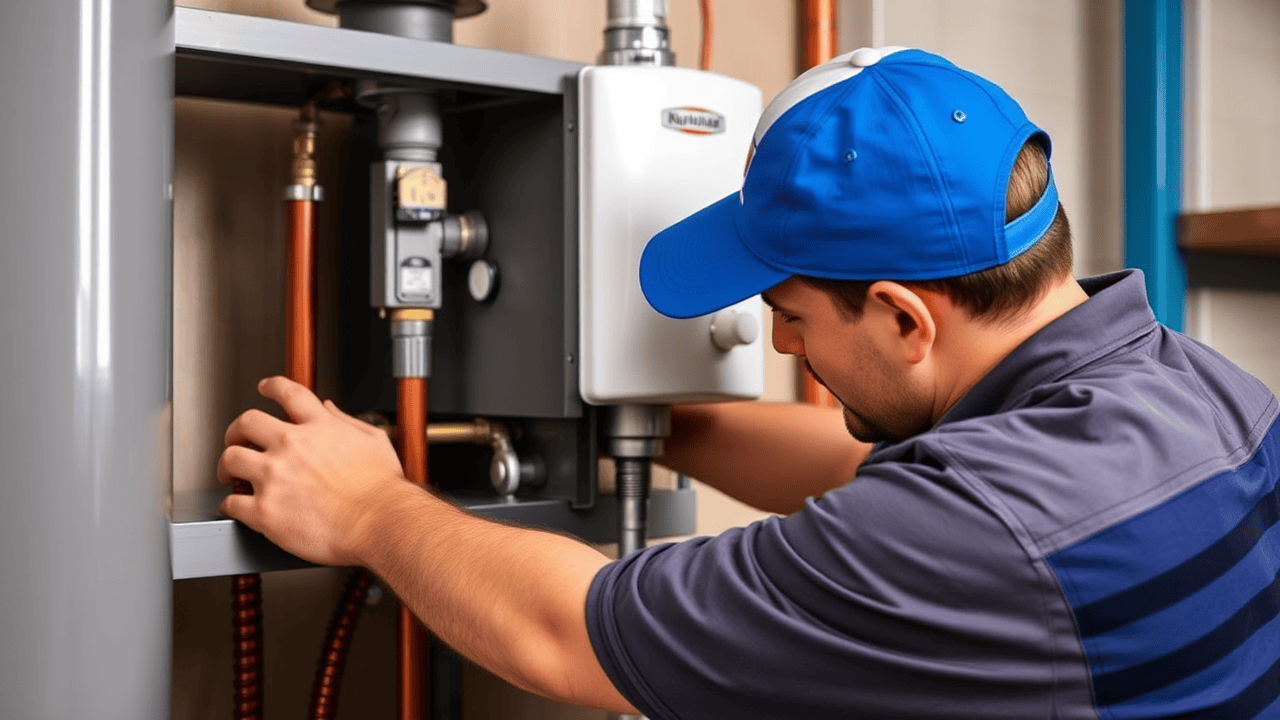
After the new water heater is installed, it is crucial to conduct initial testing to ensure everything functions correctly. This involves examining all connections for leaks, verifying that the pressure relief valve is operating properly, and checking the thermostat settings. During this phase, the technician may also flush the system to remove any debris and air that could disrupt performance. Proper setup helps in early detection of potential issues and ensures optimal efficiency.
Water heater installation and repair in various regions can influence the post-installation procedures. Local codes may require specific documentation to confirm that the system meets safety and efficiency standards. Additionally, homeowners should familiarize themselves with the manufacturer's guidelines regarding maintenance and warranty to prolong the lifespan of their new water heater. Knowing when to schedule routine inspections plays a significant role in preventing future operational problems.
Initial Testing and Setup
After the new water heater is installed, initial testing is critical to ensure everything functions properly. This process typically involves checking all connections for leaks, validating that the thermostat settings are correct, and verifying that the water heater heats the water to the desired temperature. Completing these tests helps to identify any immediate issues that could affect performance or safety.
Water heater installation and repair in residential settings requires following specific procedures to guarantee optimal operation. Technicians often examine the pressure relief valve and confirm that it operates safely. Additionally, they may take the time to educate homeowners on basic maintenance tips to prolong the lifespan of the unit and avoid common issues.
FAQS
How long does it typically take to replace a home water heater?
The replacement process usually takes between 2 to 6 hours, depending on the complexity of the installation and any unforeseen issues that may arise.
What factors can affect the time it takes to replace a water heater?
Factors include local permits and regulations, the type of water heater being installed, any existing plumbing issues, and the experience of the technician.
Do I need a permit to replace my water heater?
Yes, many local jurisdictions require a permit for water heater replacement to ensure compliance with safety and building codes.
What common issues can cause delays during the replacement process?
Common issues include outdated plumbing, unexpected leaks, the need for additional repairs, or complications with the electrical or gas connections.
What should I expect during the initial testing and setup after the installation?
After installation, the technician will typically run tests to ensure the water heater operates correctly, check for leaks, verify temperature settings, and ensure proper venting.