Energy Efficiency and Its Impact
Energy efficiency plays a crucial role in determining the life expectancy of a home water heater. High-efficiency models utilize advanced technologies that reduce energy consumption. These innovations not only lower utility bills but also enhance the overall lifespan of the unit. Investing in energy-efficient water heaters can yield significant savings over time, making them a wise choice for homeowners focused on long-term benefits.
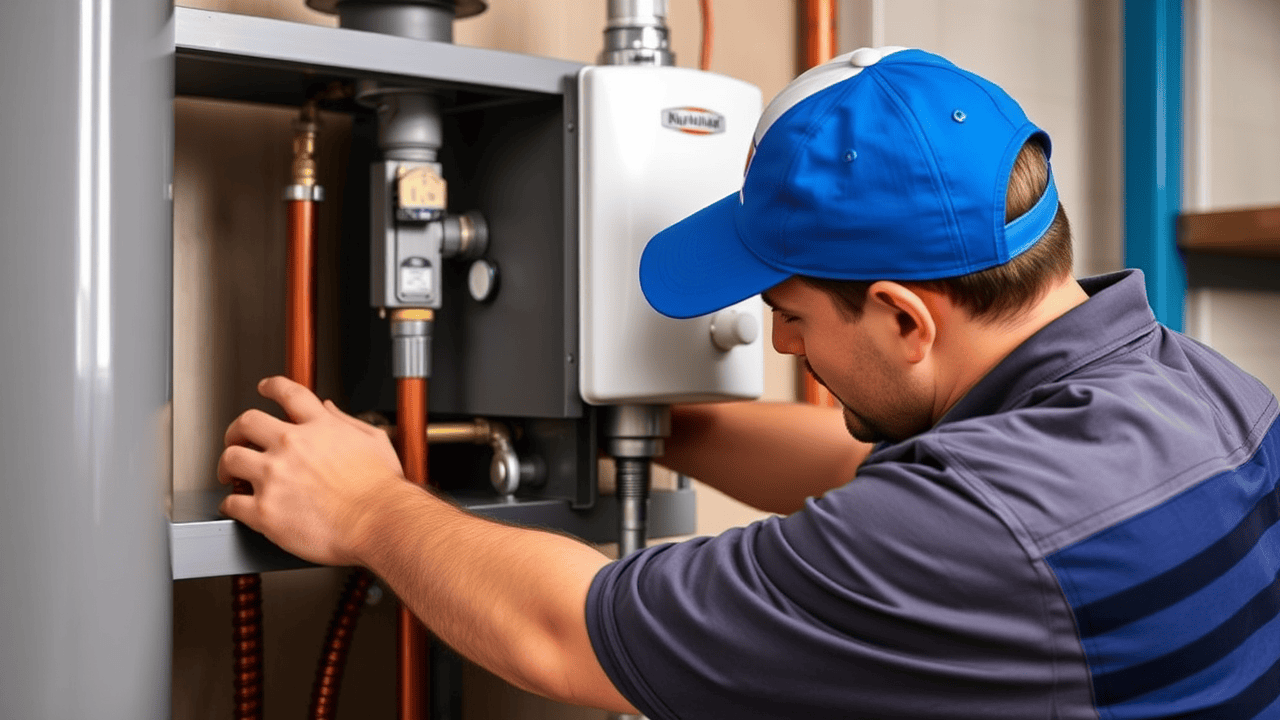
Selecting the right water heater involves considering various factors, including energy ratings and installation quality. Homeowners can improve energy efficiency through proper placement and insulation of water heaters, optimizing performance and reducing wear. To find qualified assistance, individuals can search for "water heater installation and repair near me" to connect with local professionals who can offer valuable guidance on efficient models and installation practices.
Modern Technologies in Water Heaters
Advancements in water heater technologies have transformed the efficiency and convenience of hot water needs in residential settings. Tankless water heaters, for example, heat water on demand rather than storing it in a tank, which eliminates standby energy loss. These systems are compact and can provide an endless supply of hot water, making them an attractive option for many homeowners. Moreover, smart water heaters are now available, featuring advanced controls that allow users to adjust temperatures, monitor energy consumption, and even schedule maintenance through smartphone apps.
Solar water heaters offer another innovative approach, harnessing renewable energy to provide hot water while minimizing reliance on traditional energy sources. Many newer models are designed to integrate seamlessly with existing plumbing and electrical systems, enhancing their appeal. As eco-conscious consumers seek out sustainable solutions, the demand for these modern technologies continues to rise. Those looking for expert guidance on installing or maintaining such systems often search for “water heater installation and repair near me” to find qualified professionals.
Repair vs. Replacement Decisions
When facing issues with a home water heater, homeowners often grapple with the decision to repair or replace the unit. Factors such as the age of the heater, the extent of the damage, and the cost of repairs can significantly influence this choice. If the water heater is nearing the end of its average lifespan, replacing it may be a more economical long-term solution. Conversely, if the unit is relatively new and the repair costs are reasonable, opting for a repair can extend its usefulness and delay the need for a costly replacement.
It is vital to consider not just the immediate expenses but also the energy efficiency of the existing unit versus a new model. An old water heater may consume more energy, leading to higher utility bills over time. Homeowners should also think about the environmental impact of continuing to use older, less efficient systems. Searching for “water heater installation and repair near me” can help identify local professionals who can provide guidance and options tailored to individual needs, ultimately helping make an informed decision.
Cost Considerations
When evaluating the cost of maintaining or replacing a water heater, several factors come into play. The initial purchase price of a new unit can vary significantly based on the type, size, and efficiency ratings. Additionally, installation costs must be factored in, which can also differ based on the complexity of the setup and regional labor rates. Homeowners often search for “water heater installation and repair near me” to find local services that can provide quotes and evaluations of their current systems, helping them make informed decisions about their investment.
Beyond the upfront costs, long-term savings on utility bills due to improved energy efficiency can influence the overall financial impact. Energy-efficient models tend to have higher initial costs but can lead to substantial savings over time. Regular maintenance and timely repairs may also extend the life of older units, delaying the need for replacement. It is essential to weigh immediate expenses against potential savings when considering the overall cost of a water heater.
Environmental Impact of Old Water Heaters
Old water heaters contribute to environmental degradation through inefficient energy use and potential leaks of harmful substances. Many outdated models consume more energy than necessary, increasing fossil fuel reliance and greenhouse gas emissions. Additionally, older units may contain materials that are no longer environmentally friendly, leading to further complications as they reach the end of their life cycle.
Homeowners often face dilemmas regarding the environmental consequences of their old units. The decision to upgrade could significantly reduce waste and enhance energy efficiency. Exploring options for water heater installation and repair near me allows individuals to find modern alternatives that minimize the ecological footprint while ensuring reliable hot water access. Investing in newer technologies can have a positive impact on both bills and the environment.
Energy Consumption Levels
Energy consumption levels in water heaters can significantly influence utility bills and overall household energy usage. Traditional tank-style heaters often consume more energy due to heat loss from stored water. In contrast, tankless models provide hot water on demand, reducing energy waste. Understanding these consumption levels is essential for homeowners looking to enhance energy efficiency. Evaluating options such as insulation, temperature settings, and the type of water heater can help lower operational costs.
When considering energy-efficient water heaters, it's vital to explore local services for installation and maintenance. Homeowners frequently search for "water heater installation and repair near me" to find reliable professionals who can assist with these upgrades. Consulting with experts can lead to choices that not only lower energy consumption but also improve overall home efficiency. Making informed decisions now can lead to substantial savings over the lifespan of the unit.
FAQS
What is the average life expectancy of a home water heater?
The average life expectancy of a home water heater typically ranges from 8 to 12 years, depending on the type and maintenance of the unit.
How can I extend the life of my water heater?
You can extend the life of your water heater by performing regular maintenance, such as flushing the tank annually, checking the anode rod, and ensuring proper insulation.
When should I consider replacing my water heater?
You should consider replacing your water heater if it is over 10 years old, shows signs of rust or leaks, or is not heating water efficiently.
Do newer water heater models last longer than older ones?
Yes, newer water heater models often incorporate advanced technologies and materials that can enhance their durability and extend their lifespan compared to older models.
What environmental impacts should I consider when replacing my water heater?
When replacing your water heater, consider the energy consumption levels, the type of fuel it uses, and the potential for reducing greenhouse gas emissions by opting for more energy-efficient models.