Preventative Measures for Pipe Maintenance
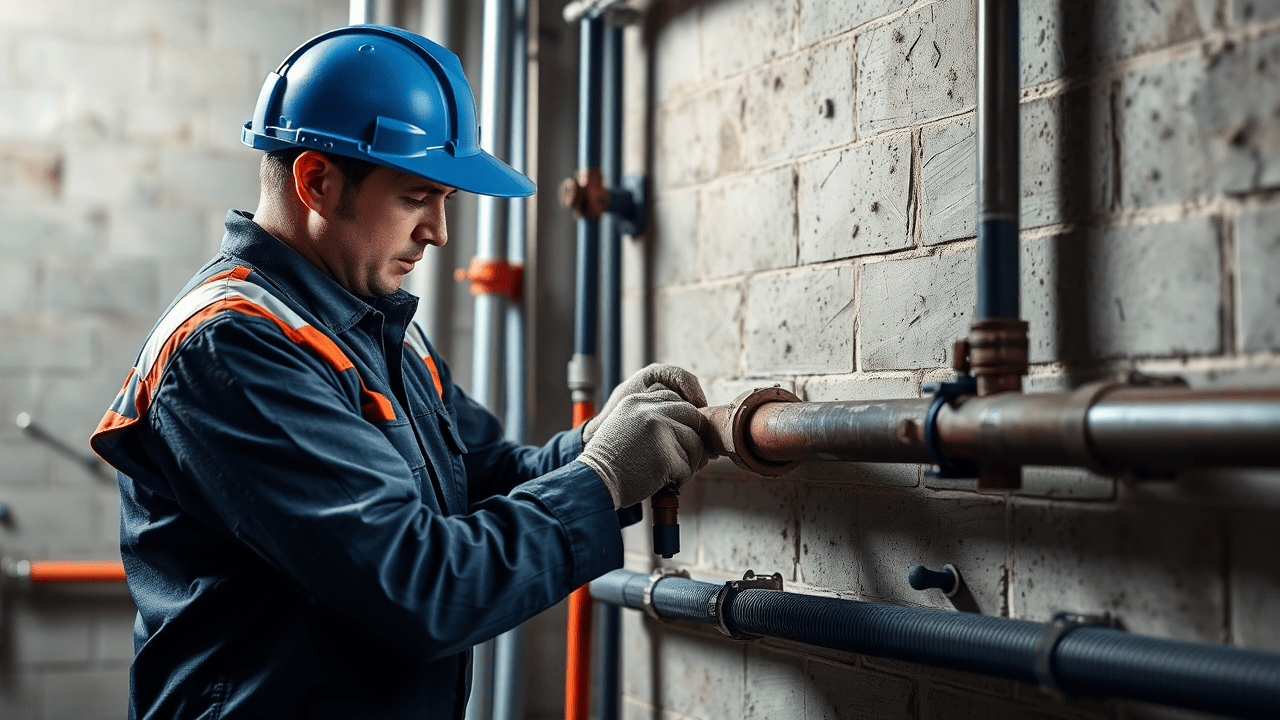
Regular maintenance of pipes is crucial for extending their lifespan and preventing costly repairs. Homeowners should routinely check for leaks, corrosion, and signs of wear. Insulating pipes, especially those located in unheated areas, can help protect them from temperature fluctuations that lead to freezing or bursting. Utilizing professional services like "pipe installation and repair near me" can ensure that your system remains in optimal condition. Seasonal check-ups by a qualified plumber can catch potential issues before they escalate.
In addition to routine inspections, being aware of the environmental factors affecting your plumbing can enhance maintenance efforts. Excessive moisture, tree roots, and ground movement can all compromise pipe integrity. Implementing proper drainage solutions around the home reduces the risk of pressure building up in the pipes. Engaging with local plumbing professionals for advice tailored to your specific circumstances can yield long-term benefits and peace of mind.
Tips to Avoid Future Problems
Regular inspections can significantly reduce the likelihood of future plumbing issues. Homeowners should keep an eye on visible pipes for signs of wear, rust, or leaks. Addressing small problems early can prevent larger, more expensive repairs down the line. Scheduling routine check-ups with professionals can help to identify potential trouble spots that may go unnoticed. Residents can find local services by searching online for "pipe installation and repair near me," ensuring they receive quality assistance from trusted experts in the area.
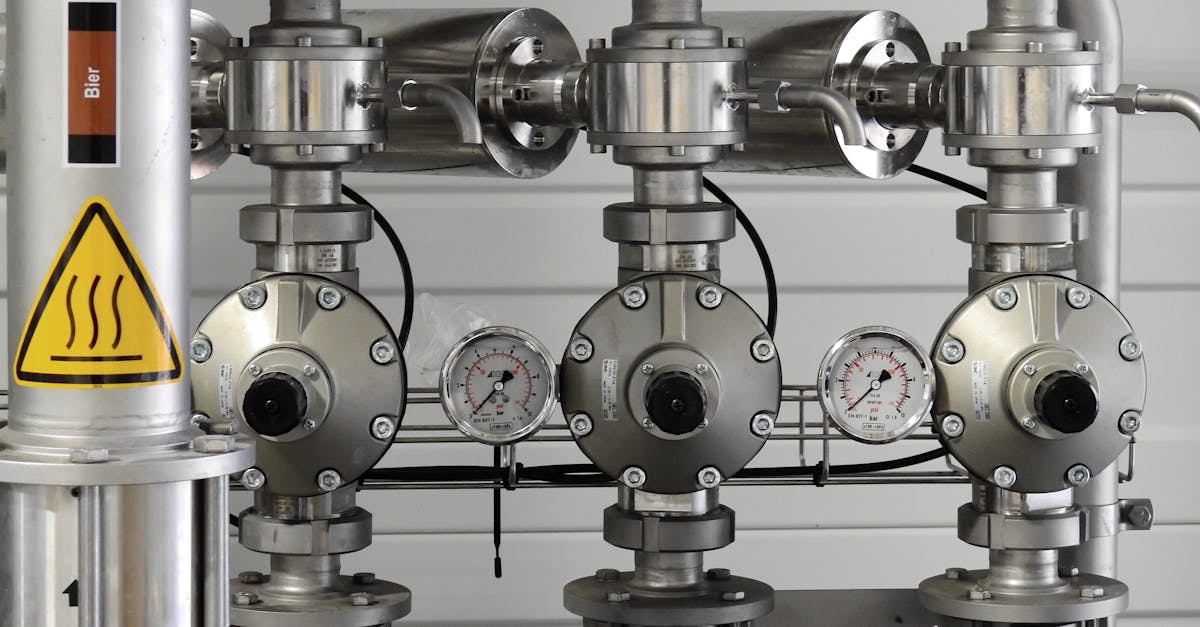
Another essential tip involves maintaining appropriate water pressure throughout the home. High pressure can put excessive strain on pipes, increasing the risk of leaks or bursts. Homeowners can monitor their water pressure using a gauge, making adjustments when necessary to keep it within a safe range. Additionally, insulating pipes, especially those in unheated spaces, can protect them from freezing temperatures. Taking these preventative measures not only extends the life of plumbing but also promotes overall efficiency in the household.
Understanding Pipe Materials
When considering the repair or installation of plumbing systems, understanding the various types of pipe materials is essential. Common materials include PVC, copper, and galvanized steel. PVC is lightweight and resistant to corrosion, making it a popular choice for drainage systems. Copper offers durability and natural antibacterial properties, ideal for water supply lines. Galvanized steel, while strong, can be prone to rust over time, which may lead to leaks and reduced water flow. Prospective homeowners should research these materials to determine the best fit for their plumbing needs.
Factors such as cost, compatibility with existing systems, and local building codes can influence the choice of materials. For those seeking assistance with installation or repairs, searching for "pipe installation and repair near me" can yield local professionals knowledgeable about the specific requirements for each material. This ensures that the job is completed correctly and adheres to all regulations, providing long-lasting solutions for residential plumbing issues.
Pros and Cons of Different Types
Choosing the right pipe material is crucial for long-term performance and maintenance. PVC pipes offer affordability and ease of installation, making them a popular choice for many homeowners. However, they can be susceptible to UV damage and may not handle extreme temperatures well. Copper pipes are highly durable and resistant to corrosion, making them ideal for both hot and cold water applications. On the downside, they can be more expensive and may require more specialized tools for installation or repair.
Understanding these pros and cons can guide homeowners in making informed decisions. For those looking for assistance with pipe issues, searching for "pipe installation and repair near me" can connect them with local professionals who can provide tailored solutions. Different environments and building codes can also affect which type of pipe is best, so consulting with a plumber is advisable to ensure optimal results.
The Role of Insulation in Pipe Protection
Insulation plays a critical role in protecting pipes from extreme temperature fluctuations. Cold winters can lead to freezing, while excessive heat can cause expansion and potential damage. Insulating pipes helps maintain a consistent temperature, reducing the likelihood of burst pipes and minimizing heat loss in hot water systems. Proper insulation can also enhance the overall energy efficiency of a home, contributing to lower utility bills.
For those seeking assistance with their plumbing issues, searching for "pipe installation and repair near me" offers a solution to both preventative and urgent needs. Professionals in local areas can provide expertise in insulation techniques, ensuring that pipes are safeguarded against environmental impacts. By prioritizing pipe insulation, homeowners can avoid costly repairs and maintain a reliable plumbing system.
Keeping Pipes Safe from Temperature Changes
Temperature fluctuations can pose significant risks to the integrity of pipes, particularly in areas where cold weather is prevalent. When water in pipes freezes, it expands and can lead to cracks or complete bursts. Insulating exposed pipes, especially those in unheated areas like basements and crawl spaces, helps maintain a consistent temperature. Moreover, utilizing materials specifically designed for insulation can considerably reduce the chances of freezing and subsequent damage.
Regular maintenance plays a crucial role in preventing temperature-related issues. Homeowners should periodically check vulnerable areas to ensure insulation remains intact and that there are no air gaps. Searching for "pipe installation and repair near me" can help find local professionals who can assess and upgrade insulation as necessary. Taking these proactive steps can safeguard plumbing systems against the effects of extreme temperatures.
FAQS
What are some common signs that I need to call a plumber for pipe issues under my house?
Common signs include water stains on ceilings or walls, reduced water pressure, unusual noises in the pipes, or a noticeable increase in water bills.
How do plumbers access pipes that are located under the house?
Plumbers typically access these pipes through crawl spaces, basements, or by creating openings in the flooring or walls if necessary.
What types of materials do plumbers commonly use to repair pipes?
Plumbers often use materials such as PVC, copper, PEX, or galvanized steel, depending on the existing plumbing and the nature of the repair.
Can I prevent pipe damage under my house with regular maintenance?
Yes, regular maintenance such as inspecting for leaks, keeping pipes insulated, and ensuring proper drainage can help prevent damage to pipes under your house.
What should I do if I suspect a pipe is leaking under my house?
If you suspect a leak, it's best to turn off the main water supply and contact a licensed plumber for an inspection and repair to avoid further damage.